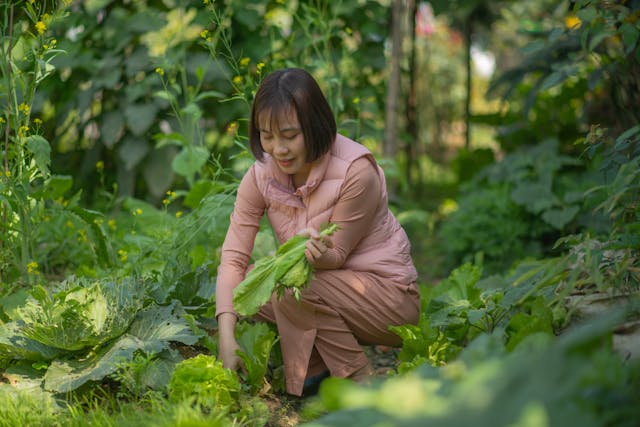
Starting your first vegetable garden can seem overwhelming, but with proper planning and these beginner-friendly steps, you'll be harvesting homegrown produce in just a few months. This comprehensive guide covers everything from site selection to your first harvest—perfect for absolute beginners with no gardening experience.
Why Start a Vegetable Garden?
🌱 Fresh, Nutritious Food
Homegrown vegetables taste better and are more nutritious than store-bought. You control what goes into your food—no pesticides or chemicals unless you choose to use them.
💰 Cost Savings
A $50 investment in seeds and supplies can yield $500+ worth of vegetables. Many plants keep producing throughout the season, providing continuous harvests.
🏡 Outdoor Activity
Gardening reduces stress, provides gentle exercise, and connects you with nature. It's a rewarding hobby that benefits both physical and mental health.
🌍 Environmental Benefits
Reduce food miles, plastic packaging, and chemical runoff. Home gardens support local ecosystems and promote biodiversity.
Choosing Your Garden Type
💡 Pro Tip: Start Small!
Beginner gardeners often make the mistake of starting too big. A 10x10 foot garden requires 3-5 hours of weekly maintenance. Start with a 4x8 foot space or 4-5 containers. You can always expand next season once you've gained experience.
Step-by-Step Guide to Starting Your Garden
Choose the Perfect Location
Most vegetables need 6-8 hours of direct sunlight daily. Observe your yard throughout the day to identify sunny spots. Morning sun is especially valuable as it dries dew quickly, reducing disease risk.
Location Checklist:
- Sun exposure: Full sun (6+ hours) for tomatoes, peppers, cucumbers. Partial sun (4-6 hours) for leafy greens.
- Water access: Near a water source for easy watering.
- Soil drainage: Avoid low spots that collect water after rain.
- Wind protection: Shelter from strong winds that can damage plants.
- Tree competition: Avoid areas near large trees whose roots compete for water and nutrients.
Prepare Your Soil
Healthy soil equals healthy plants. Don't skip this crucial step—it's the foundation of your garden's success.
Soil Preparation Steps:
- Test your soil: Use a home test kit or send to extension service. Most vegetables prefer pH 6.0-7.0.
- Clear the area: Remove grass, weeds, and debris. For in-ground gardens, you can smother grass with cardboard for 4-6 weeks instead of digging.
- Amend with compost: Add 2-4 inches of compost and mix into top 6-8 inches of soil.
- For containers: Use high-quality potting mix specifically for vegetables, not garden soil.
- For raised beds: Use the "Mel's Mix": 1/3 compost, 1/3 peat moss or coconut coir, 1/3 vermiculite.
🌱 Soil Pro Tip
Don't walk on your prepared garden soil—it compacts the soil, reducing air pockets that roots need. Create paths or use stepping stones. For raised beds, make them narrow enough to reach the center from either side (4 feet wide maximum).
Select Beginner-Friendly Vegetables
| Vegetable | Difficulty | When to Plant | Days to Harvest | Special Notes |
|---|---|---|---|---|
| Lettuce | Very Easy | Early spring, fall | 30-60 days | Cut-and-come-again variety extends harvest |
| Radishes | Very Easy | Spring, fall | 25-30 days | Fastest growing, perfect for impatient beginners |
| Green Beans | Easy | After last frost | 50-60 days | Bush type doesn't need support, continuous harvest |
| Tomatoes | Medium | After last frost | 60-80 days | Start with transplants, not seeds; need support |
| Zucchini | Easy | After last frost | 50-60 days | Very productive—2 plants feed a family |
| Carrots | Medium | Early spring, late summer | 60-80 days | Need loose, stone-free soil |
| Peppers | Medium | After last frost | 60-90 days | Start with transplants, need warm soil |
🌿 Succession Planting Tip
Don't plant everything at once! Sow quick-growing crops like radishes and lettuce every 2-3 weeks for continuous harvest. As you harvest early crops, replant that space with something else.
Plant Your Garden
Seed vs. Transplant:
- Direct sow (seeds): Root crops (carrots, radishes), beans, peas, corn, squash
- Start with transplants: Tomatoes, peppers, eggplant, broccoli, cabbage
- Either works: Lettuce, kale, cucumbers, herbs
Planting Guidelines:
- Follow seed packet instructions for planting depth and spacing
- Water gently but thoroughly after planting
- Label everything—you'll forget what you planted where
- Consider companion planting: Some plants help each other grow better
- Tall plants go on north side to avoid shading shorter plants
Essential Care & Maintenance
💧 Watering
When: Early morning is best
How much: 1 inch per week (more in heat)
Method: Water soil, not leaves
Check: Finger test—soil should be moist 2" down
🌾 Weeding
Frequency: Weekly, when weeds are small
Method: Pull by hand or use hoe
Prevention: 2-3" of mulch
Tip: Weed after watering—easier to pull
🐛 Pest Control
Prevention: Healthy plants resist pests
Monitoring: Check plants weekly
Natural solutions: Hand pick, spray with water
Acceptance: Some damage is normal
Harvest & Enjoy
Harvesting Tips:
- Morning harvest: Vegetables are crispest in early morning
- Regular picking: Many plants produce more if harvested regularly
- Proper tools: Use clean, sharp scissors or pruners
- Know when: Size and color indicate ripeness, not just days on packet
- Handle gently: Bruised vegetables don't store well
📓 Garden Journal Pro Tip
Keep a garden journal! Record planting dates, varieties, weather conditions, and what works (or doesn't). Take photos throughout the season. This invaluable reference will make your second season much more successful and help you learn from your experiences.
Seasonal Gardening Guide
🌱 Spring Preparation
Tasks: Plan garden, start seeds indoors, prepare soil, plant cool-season crops
Plant: Lettuce, spinach, peas, radishes, carrots
Timing: 4-6 weeks before last frost date
☀️ Summer Growth
Tasks: Plant warm-season crops, regular watering, pest monitoring, harvest
Plant: Tomatoes, peppers, cucumbers, beans, squash
Timing: After last frost date
🍂 Fall Harvest
Tasks: Harvest, preserve, plant fall crops, clean up
Plant: Kale, lettuce, spinach, radishes (late summer)
Timing: 6-8 weeks before first frost
❄️ Winter Planning
Tasks: Plan next year's garden, order seeds, maintain tools
Indoor: Start seeds for spring, grow herbs indoors
Timing: December-February
Common Beginner Mistakes to Avoid
🌿 Overplanting
More plants mean more work. Start with a manageable size. Three tomato plants will produce plenty for a family—you don't need twelve.
📏 Poor Spacing
Crowded plants compete for resources and are more susceptible to disease. Follow spacing guidelines on seed packets.
🌱 Ignoring Soil Quality
Don't skip soil preparation—it's the foundation of your garden. Invest in compost and proper amendments.
💧 Inconsistent Watering
Erratic watering stresses plants and affects yield. Establish a regular watering schedule.
⚠️ Most Common First-Year Mistake
Planting everything at once: Beginners often plant their entire garden on the same weekend. Stagger your planting for continuous harvest and to spread out the work. Plant some quick crops (radishes, lettuce) alongside slower ones (tomatoes, peppers).
Essential Tools Checklist
🛠️ Basic Gardening Tools
Your First Garden Timeline
📅 90 Days to Your First Harvest
Month 1: Preparation & Planting
- Week 1-2: Choose location, test soil, order seeds/supplies
- Week 3-4: Prepare soil, build beds/containers if needed
- Week 4: Plant cool-season crops (lettuce, radishes, peas)
Month 2: Establishment & Care
- Week 5-6: Plant warm-season crops after last frost
- Week 7-8: Regular watering, weeding, pest monitoring
- Week 8: First harvest of quick crops (radishes, lettuce)
Month 3: Growth & Harvest
- Week 9-10: Continue maintenance, watch for pests/diseases
- Week 11-12: Main harvest begins (beans, zucchini, tomatoes)
- Week 13: Evaluate what worked, plan succession planting
🌻 Final Encouragement
Every gardener makes mistakes—it's how we learn. Your first garden won't be perfect, and that's okay. Some plants will thrive, others might struggle. The most important step is simply to begin. Your confidence will grow along with your plants. Remember: Even experienced gardeners have failures each season. Gardening teaches patience, observation, and resilience. Welcome to the wonderful world of growing your own food!
Starting a vegetable garden is one of the most rewarding projects you can undertake. Not only will you enjoy fresh, delicious produce, but you'll also gain a deeper connection to your food and the natural world. Begin with these simple steps, be patient with yourself, and soon you'll be enjoying the fruits (and vegetables!) of your labor.